
UNSEEN ECONOMIC DISPARITY 2025
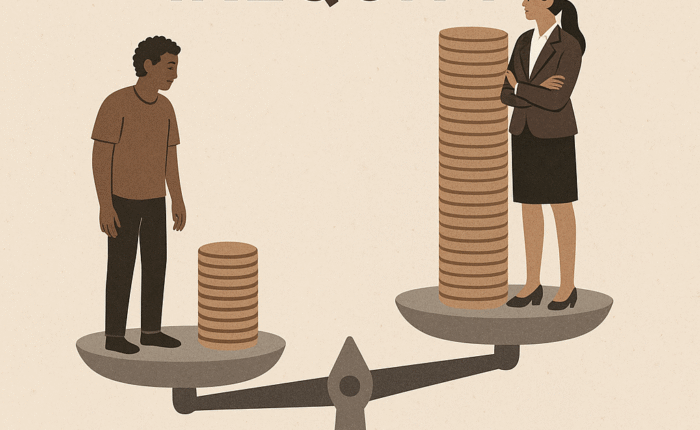
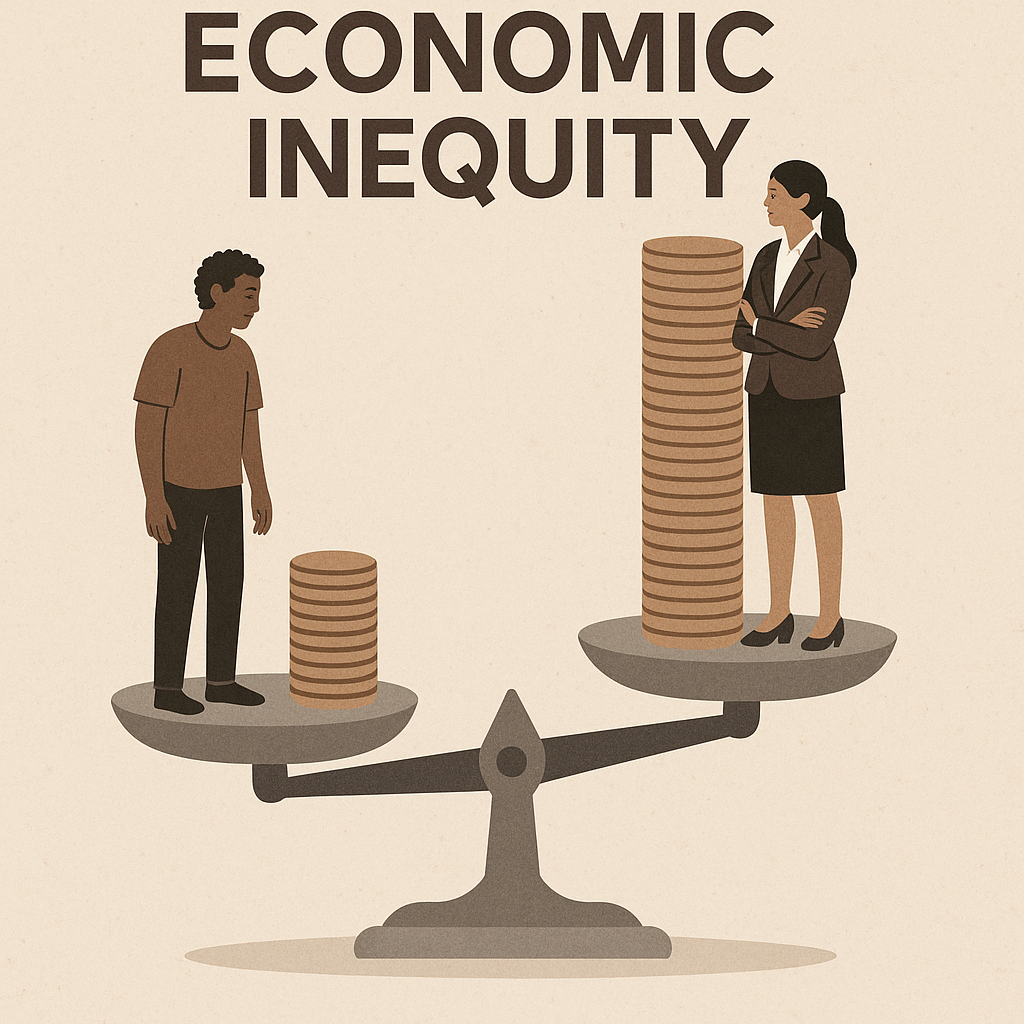
Economic Inequity or Disparity is major issue.
What we observe last 10 year regarding Economic inequity:
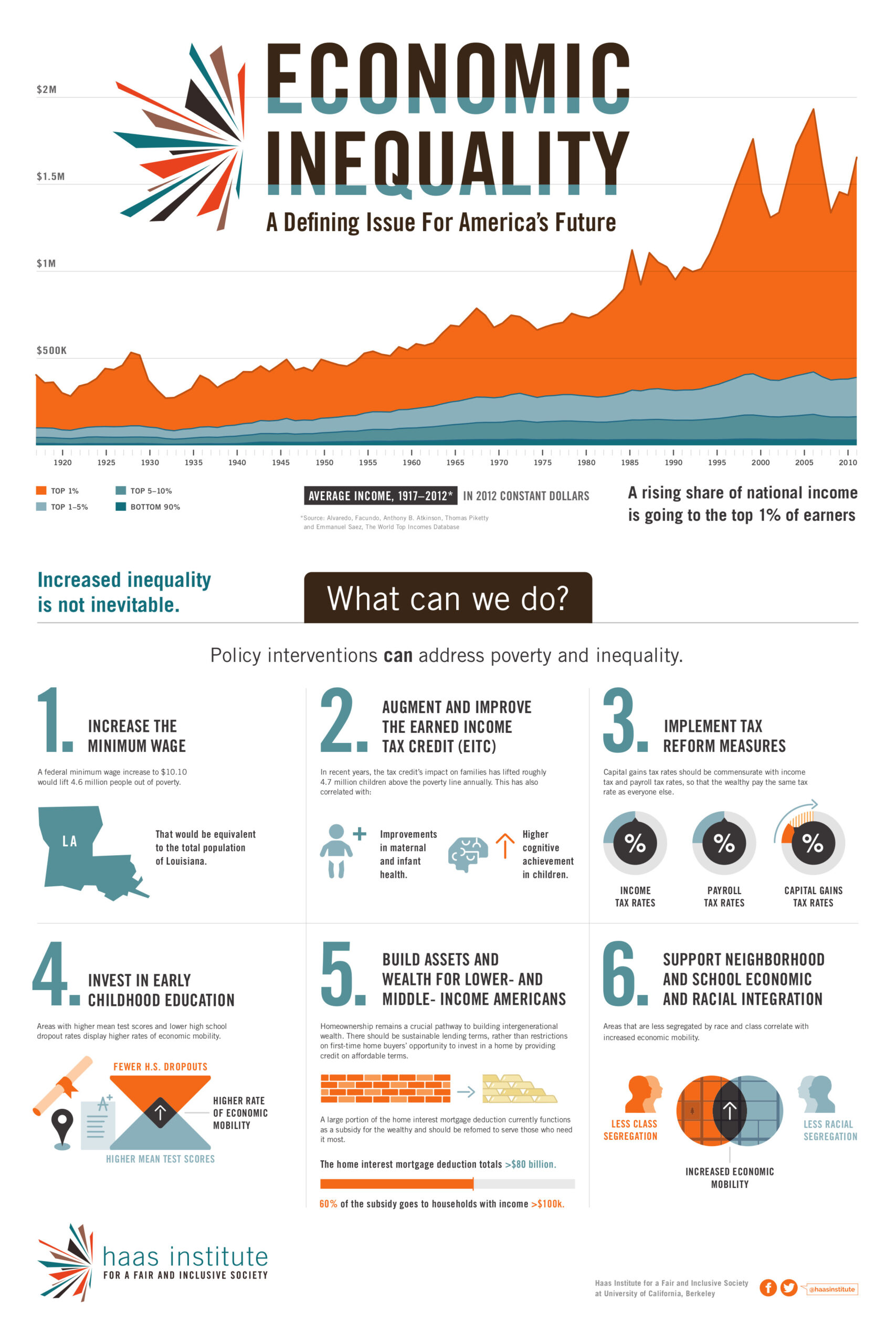
Over the past decade, there has been a noticeable shift in the dynamics of economic inequity. Factors such as globalization, technological advancements, and changes in labor market conditions have contributed to the widening divide. For instance, while technology has created new jobs, it has also rendered many traditional roles obsolete, disproportionately affecting low-skilled workers. This has led to a scenario where those who can adapt and acquire new skills thrive, while others face increasing economic hardship.
-
- This growing disparity isn’t just about numbers; it’s about the widening gap between different segments of society. One of the primary causes is the lack of access to resources and opportunities for the majority. Without adequate resources, many are unable to develop the skills necessary to improve their economic standing.
- For example, in many urban areas, individuals from lower socioeconomic backgrounds often lack access to high-quality education, which can hinder their ability to compete for better-paying jobs. This lack of opportunity creates a cycle of poverty that is difficult to break, perpetuating economic inequity.
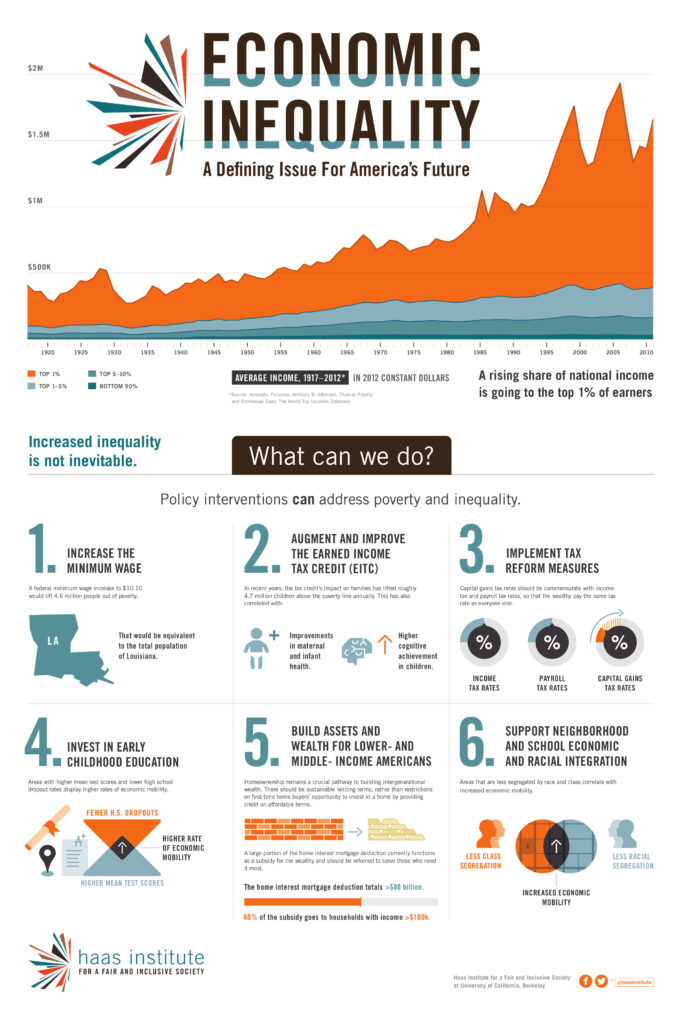
- Moreover, public policy plays a crucial role in addressing these disparities. Initiatives aimed at increasing the minimum wage, expanding social safety nets, and ensuring access to affordable housing can help mitigate the effects of economic inequity. By creating a more level playing field, we can foster a more inclusive economy.
- Addressing economic inequity requires collective efforts from all sectors of sociecty:
- Skill development emerges as a crucial solution. By providing quality education and training, we can empower individuals to bridge this economic divide. However, the scarcity of resources remains a significant barrier to implementing widespread skill development programs.
- “With inclusive growth and economic dignity, we can ensure that every individual — regardless of their background — gets a fair shot at a dignified life.”
- “While cities thrive, countless families remain trapped in silent struggles, living hand-to-mouth, invisible in the system built to uplift them.”
How we can remove this:
- In addition, community programs that focus on vocational training and apprenticeships can equip individuals with the necessary skills to enter high-demand industries. Such programs not only enhance employability but also promote economic mobility, allowing individuals to rise above their current circumstances.
-
- To reduce economic inequality, we need to ensure that everyone has access to quality education and essential resources. By providing people with the necessary tools, such as affordable education, healthcare, and technology, we empower them to improve their lives and achieve financial stability. Investing in these areas not only helps individuals succeed but also strengthens our communities and economies as a whole.
Today Economic Inequity Face:
sA of April 2025, economic inequality remains a significant global concern. According to a Pew Research Center survey, a median of 54% of adults across 36 countries consider the gap between the rich and the poor to be a very big problem in their nation. This widespread concern underscores the persistent challenges associated with income and wealth disparities worldwide.Pew Research Center
In the United States, the income gap between the wealthy and the rest of the population has been growing markedly over the past three decades. This trend reflects a broader pattern observed in many developed and developing countries, where economic growth has not been evenly distributed.Inequality.org
Furthermore, the World Bank projects that global economic growth will hold steady at 2.7% for 2025-2026. However, this growth rate is considered insufficient to foster sustained economic development, particularly in emerging markets and developing economies. Many low-income countries are not on course to graduate to middle-income status by 2050, indicating that economic disparities may persist or even widen without significant policy interventions.OECD+5World Bank Group+5reuters.com+5
Addressing economic inequality now a day requires comprehensive strategies, including investments in education and funding , healthcare, and infrastructure development, as well as policies that promote equitable income distribution and social mobility. Without such measures, the challenges associated with economic disparities are likely to continue impacting societies globally.
- Furthermore, raising awareness about economic inequity and its consequences can galvanize public support for policies aimed at addressing these issues. Educational campaigns that highlight the importance of equitable resource distribution can encourage community involvement and drive change at the grassroots level.
To further combat economic inequity, it is essential to foster an inclusive economic environment. This could involve promoting entrepreneurship through grants and low-interest loans for underserved communities, thereby enabling individuals to create their own businesses and generate income.
- Investing in early childhood education is another critical element. Research indicates that quality early education can significantly impact long-term economic outcomes for children from disadvantaged backgrounds. By prioritizing such initiatives, we invest not only in individuals but also in the future economic health of our society.
As we move forward, it is vital to adopt a multi-faceted approach to addressing economic inequity. This includes collaboration between governments, nonprofit organizations, and the private sector to ensure comprehensive solutions that address the root causes of inequality.
Overall, the challenge of economic inequity requires a collective and sustained effort. By implementing policies that promote equitable access to resources, fostering community engagement, and investing in education, we can pave the way for a more inclusive and prosperous society for all.
Moreover, the global implications of economic inequality cannot be overstated. Countries with high levels of inequality often experience social unrest, lower economic growth, and reduced overall well-being. Addressing these disparities is not merely a matter of social justice; it is essential for maintaining stability and fostering sustainable development.
In conclusion, tackling economic inequity requires innovative thinking and a commitment to systemic change. We must recognize that this issue affects us all and that by working together, we can create a more equitable future. The path forward includes not only policy reform but also a cultural shift towards valuing inclusivity and access for all.


Накрутка авито
The issue of economic inequality has become increasingly pressing in recent years. Globalization and technological advancements have exacerbated the divide, leaving many people struggling. It’s crucial to implement policies that focus on education, healthcare, and equitable resource distribution. Entrepreneurship could be a key solution by empowering underserved communities to create their own opportunities. How can we ensure that these strategies are effectively implemented across different regions?
loanpointes@gmail.com
1.Targeted Funding: Ensure poorer regions receive proportionately more funding and support.
2.Decentralized Planning: Allow local governments more autonomy to implement policies tailored to their populations.
3.Education and Training: Invest in skills development so local populations can take advantage of new economic opportunities.